runpoint.home
Command Palette
Type to search. Press Enter for the top match.
← All case studies
Field-guide line illustration of a dispatcher in a regional HVAC office with a corkboard of work orders, a radio, and an orange hard hat hanging on the wall

Mechanical and field service

A regional HVAC contractor

We built them custom software to replace the expensive system they were on. Fixed-fee project, clear-cut math.

$200K
License fees saved in the first 12 months
Multi-region
One platform serving every operating region
Fixed fee
Project cost, not a per-seat bill that climbs every year

What we did, by area

SalesCustomer pipeline. Customer pipeline, in the same place as the work, replacing the CRM piece of the old enterprise platform.
FinanceBilling. Billing built into the same tool, so the dispatch board and the invoice live next to each other.
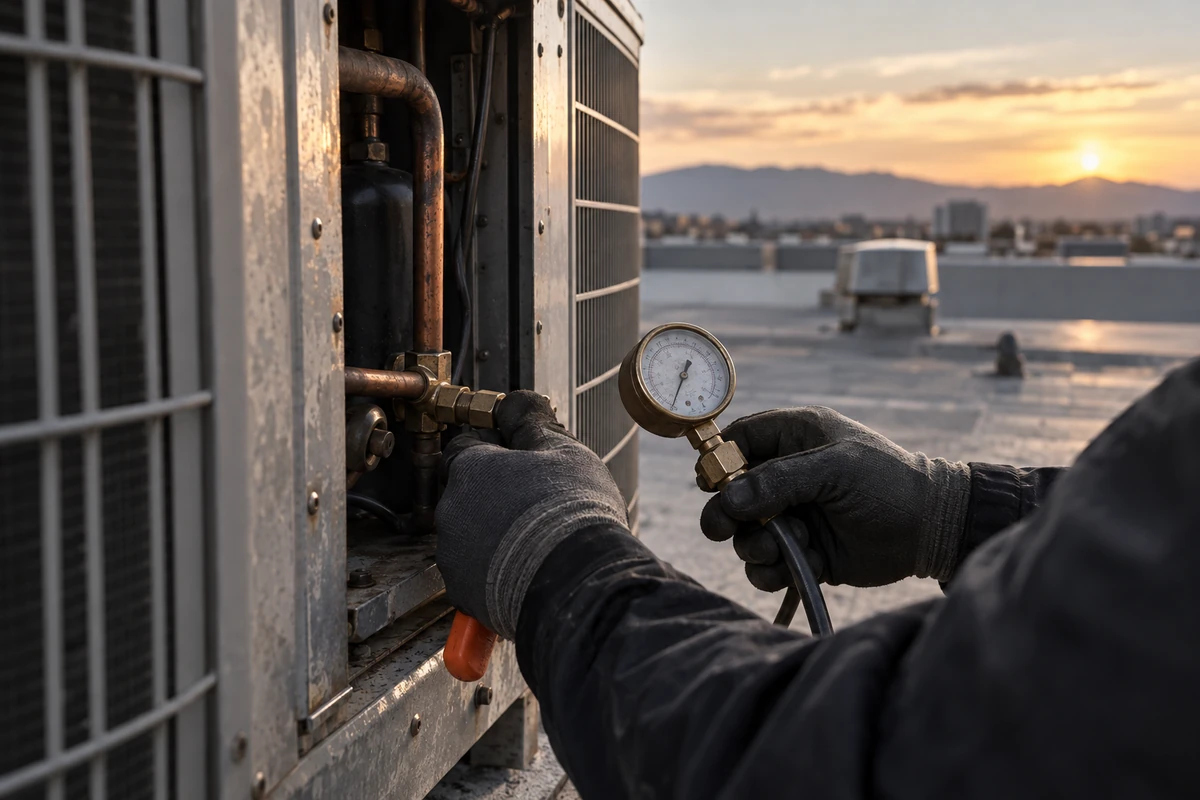
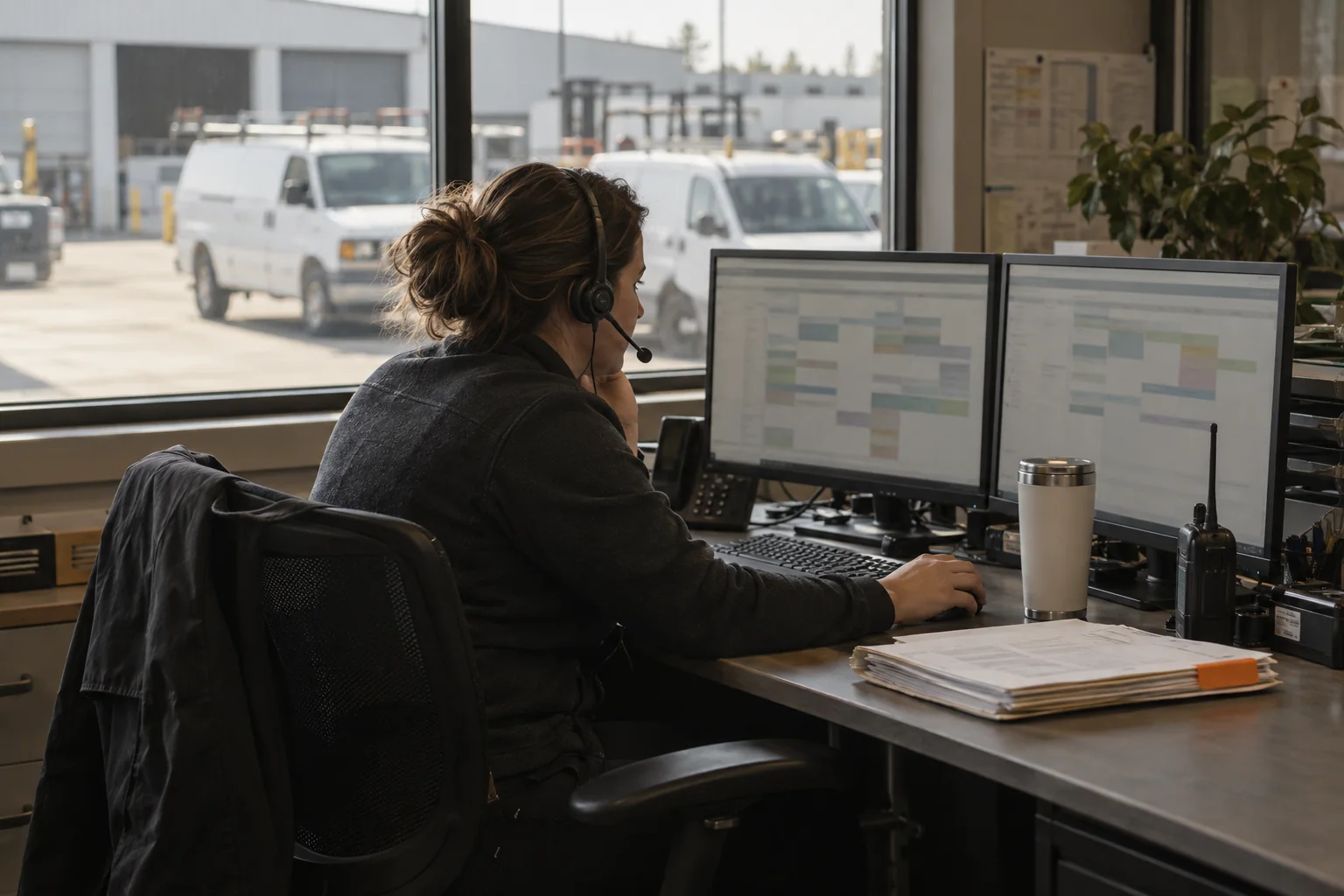
OperationsDispatch + work orders. A custom dispatching and work-order system, replacing a generic enterprise platform that was expensive per seat and configured rather than built for HVAC.

Before

A regional HVAC and mechanical contractor running several operating regions on top of ServiceNow. The platform had been configured for them rather than built for them, and they kept paying the per-seat bill every year because there wasn't a better option on the market. Dispatchers worked around the software instead of with it. Techs in the field opened it as little as they could get away with. The cost kept climbing and the friction kept compounding, and nobody at the company liked the answer when they asked what else they could be running on.

The first bet

A field-service system built around how they actually work

We replaced ServiceNow with a platform built specifically for this contractor, on top of a well-respected open-source CRM as the foundation so they own the backbone and can keep customizing on top of it. Multi-tenant from day one, so the same platform serves every region they operate in. Fixed-fee project on our side, and around $200K in license fees came off the books in the first twelve months.

What we noticed

The first time the dispatchers used it, they stopped working around the software. The screen showed what they needed to see, in the order they needed to see it, and the techs in the field opened the app on purpose instead of avoiding it. The rollout started landing region by region, on the same platform, with no per-region license renegotiation behind it. For the first time the software felt like theirs instead of the vendor's.

What we built next

01

A mobile app the techs actually use

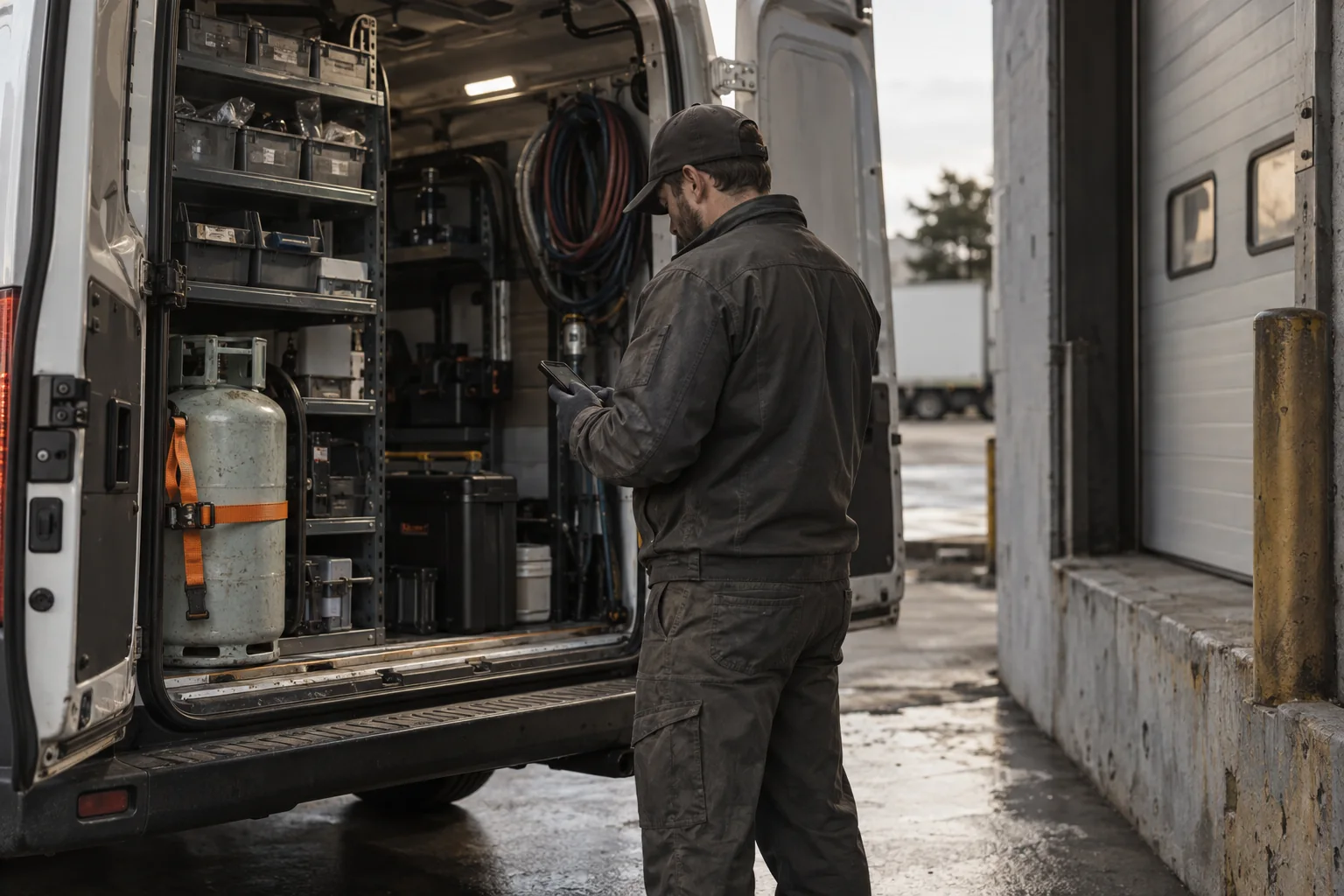
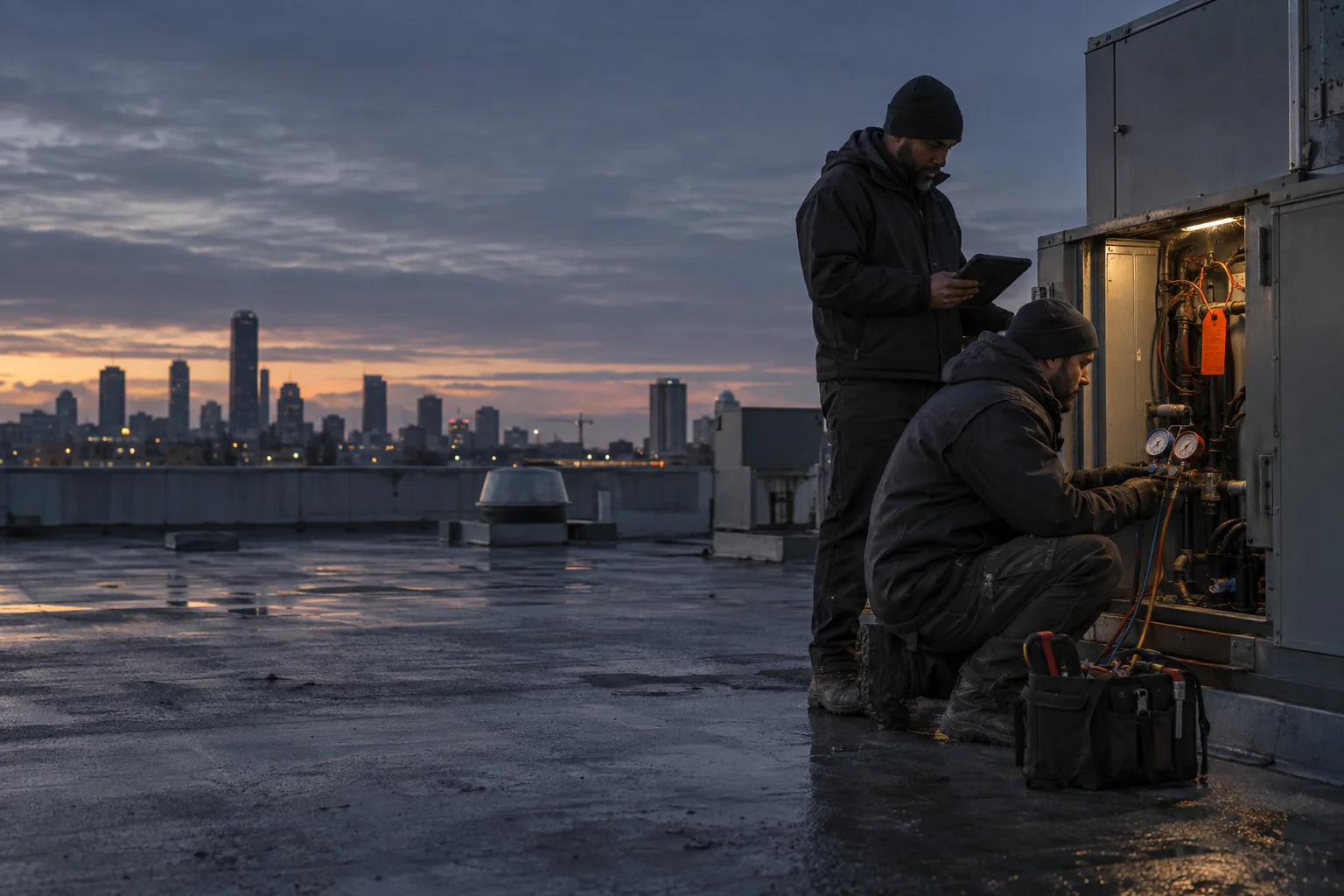
We built them a custom mobile app for the field, designed around what a tech is actually doing between calls. Work orders, parts, customer history, and sign-off all in one place, on a screen that was built for a person standing in a mechanical room.

02

AI workflows pulled into the day-to-day

Custom AI workflows now sit inside the platform: drafting quotes from a tech's notes, pulling the right part numbers off equipment records, and suggesting how to slot a new call into a busy day. The AI isn't a separate product anyone has to remember to open. It runs where the work already lives.

03

One platform across every region

Multi-tenant from the start, so each region operates on its own data while sharing the same backbone. As they expand the rollout, the next region inherits everything the previous one already shaped, without standing up new software.

04

The system improves itself

Because the AI models running underneath this thing keep getting better, the software keeps getting better without us rewriting it. The contractor owns the platform, so every improvement upstream lands inside their walls instead of inside a vendor's product roadmap.

05

AR and receivables, queued next

With dispatch, work orders, and billing already in one tool, automating the AR side is the obvious next bet. Agentic dispatch sits behind it. Both are cheap to build now because the platform is theirs.

How they use it now

We work with them on a rolling basis: ship the next region, ship the next workflow, then look at what the new data unlocks. The platform belongs to them, and we're the team they call when they want the next thing built on top of it.

What's now possible

Around $200K in license fees came off the books in the first twelve months, and the savings over the next five years run into the hundreds of thousands more. The bigger payoff is that they own the platform now. Every next thing they want to build, from agentic dispatch to AR automation to whatever the field surfaces next year, is theirs to build. There's no permission slip from a vendor, no per-seat tax on growth, and no waiting for somebody else's roadmap to catch up to how they actually run.

This is the closest I've come to the conversation I was anticipating having… nobody else is leveraging AI like this.

Client stakeholder

These are real quotes from real clients. We anonymize on the site until each one says yes to being named. Most are in the queue. References available now.

Want this kind of work for your business?

SYSTEMS: NOMINAL
LATENCY: 12msRUNPOINT V2.0