Industries
Where we work.
We help mid-market companies rewire how they operate with AI. We do our best work where the software is brittle, the workflow is manual, and the business cannot wait a year for transformation theater.
Generalists with a point of view.
This is probably a good era for generalists. The trick is having a real through-line. Ours is operational mess, brittle systems, and workflows that are too important to stay manual.
These are operating environments where the cost of bad systems is obvious: slower sales, slower service, more manual work, more headcount drag, more switching between tools, and less trust in the data.
What we look for
- Legacy systems still running critical workflows
- Too many spreadsheets, inboxes, and side channels
- Expensive human coordination where software should be doing the work
- Real AI interest at the leadership level, but no clean path to production
Why this page exists
You do not need a vague “we serve everyone” page. You need a page that makes the right buyer think, they already understand the kind of mess we are in.
The point is not to fake narrowness. The point is to show pattern recognition. Broad is fine if the pattern is real.
01
Private Equity & Portfolio Operations
You should not need a reporting fire drill to understand what is happening inside the portfolio.
Common problems
Where the drag shows up
- Portfolio reporting stitched together by hand
- Operating data scattered across tools, inboxes, and side channels
- Diligence, sourcing, and follow-up work that burns senior time
- Too much margin lost to collecting information instead of using it
What we build
The wedge we usually start with
- Portfolio reporting systems
- Diligence and analysis tools
- Internal data infrastructure for operating teams
- Workflow software for sourcing, tracking, and decision support
What changes
What gets better on the ground
- Faster visibility
- Less manual reporting work
- Better decisions with less coordination overhead
- Systems that compound instead of restarting every quarter
02
Industrial & Field Operations
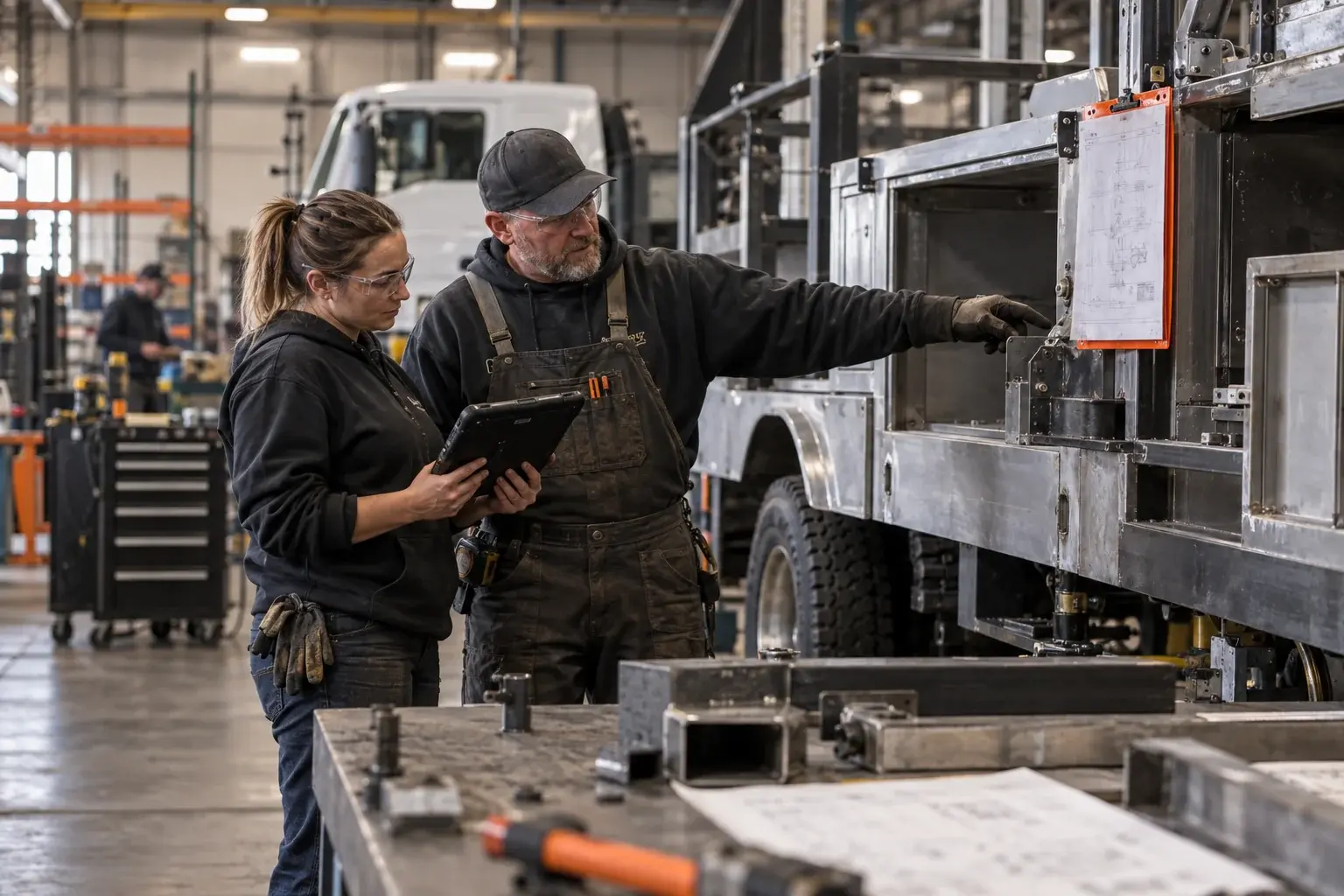
When the software is old, the workflows are manual, and the business still has to move, we build the layer that gets work moving again.
Common problems
Where the drag shows up
- ERP, CRM, and field-service platforms nobody likes using
- Critical data trapped in on-prem or legacy systems
- Sales and service workflows held together by tribal knowledge
- Teams blocked by IT, vendors, or the next implementation phase
What we build
The wedge we usually start with
- Operational frontends over legacy systems
- Sales and service workflow tools
- Dashboards and internal systems for field teams
- Secure access, integrations, and deployment paths that work in the real world
What changes
What gets better on the ground
- Less swivel-chair work
- Faster quoting, follow-up, and execution
- Cleaner handoffs between teams
- Modern software without waiting for a full replacement cycle
03
Healthcare Operations
Front-line teams need better tools, not another deck.
Common problems
Where the drag shows up
- Daily workflows spread across queues, spreadsheets, and old software
- Communication and reminder work that takes too much labor
- Operational data that exists in theory but not in a usable form
- Too much staff effort spent coordinating simple outbound work
What we build
The wedge we usually start with
- Workbenches for high-volume staff workflows
- Communication and reminder operations tooling
- Integration layers across systems of record
- Internal apps that improve throughput without forcing a full platform migration
What changes
What gets better on the ground
- Cleaner daily workflow
- More consistent execution
- Higher throughput from the same team
- Better staff experience in the parts of the day that actually matter
04
Training, Certification & Learning Platforms
Legacy learning platforms do not fail all at once. They fail one painful workflow at a time.
Common problems
Where the drag shows up
- Course, enrollment, and completion data that does not move cleanly
- Records spread across brittle systems and one-off exports
- Content operations slowed down by old admin tooling
- Too much manual work around curriculum and delivery support
What we build
The wedge we usually start with
- Course admin and editor tooling
- Migration layers for records and historical data
- Workflow systems for content and curriculum operations
- Platform extensions that improve speed without a full rip-and-replace
What changes
What gets better on the ground
- Less manual admin work
- Cleaner records and auditability
- Faster updates to content and structure
- A more flexible platform without a multi-year rebuild
05
Media, Marketing & Revenue Teams
When proposal, inventory, and qualification work gets trapped in spreadsheets, revenue slows down.
Common problems
Where the drag shows up
- RFP and proposal work eating senior team time
- Inventory or delivery tracking split across Airtable, Sheets, and email
- Manual qualification and matching workflows
- Too much repetitive work between revenue motion and fulfillment
What we build
The wedge we usually start with
- Workflow automation for proposal and response processes
- Internal systems for inventory and matching
- Tooling that speeds up client-facing and internal workflows
- Systems that help teams move faster without adding headcount first
What changes
What gets better on the ground
- Less sales ops drag
- Faster response times
- Better consistency across deals
- More output from the same team
What we actually solve.
The industry label matters less than the shape of the pain. We tend to get pulled into the same kinds of bottlenecks over and over.
Start here
Bring us the bottleneck.
You probably do not need a twelve-month roadmap. You need one high-value wedge, the right operating model, and a team that can actually ship.