Our mission is to fuel a mid-market boom.
For AI to be a force for good, its gains need to reach the companies, people and communities in the middle of the economy.
Read our master plan
Overflow, the community of AI builders we run in Austin.
Our projects are led by people who have run teams and can write software.
We call them operator-engineers. They have managed people or a P&L, so they know what is worth building, and they can build it themselves.
Writing the software is often the easiest part. The harder work is earning trust, changing habits and getting the new system used, so we stay close until it becomes part of how your company runs.
You work directly with the people who plan and build your system.
The founders set the direction with you, and an operator-engineer owns the build, calling in specialists from our bench when the work needs them.

Matthew Hall
Co-founder · Strategy and delivery, Atlanta
Publicis Sapient · Cox
Fifteen years leading client engagements, P&Ls and product teams. He learned to build because the gap between what the business needed and what got shipped was costing real money.
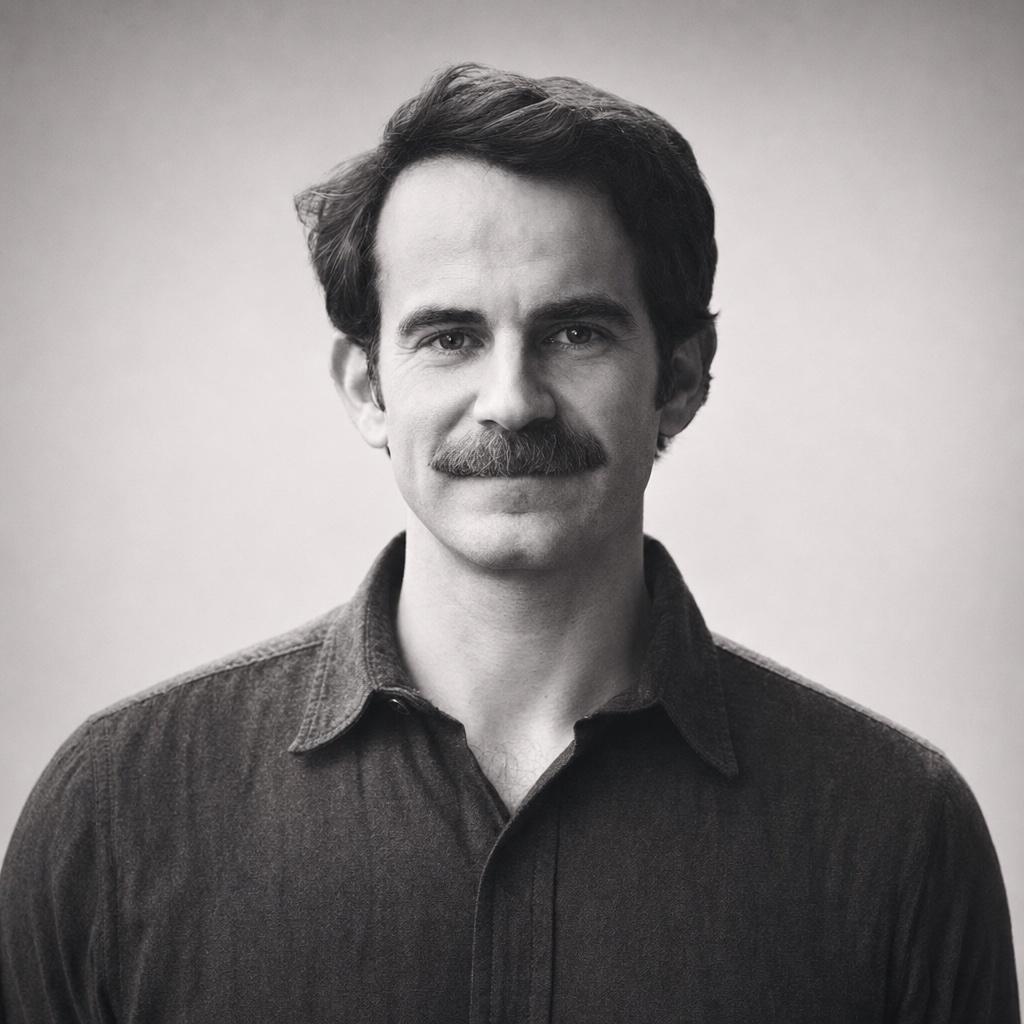
Sam Gaddis
Co-founder · Engineering and product, Austin
Fortune 500 AI delivery
A decade building and shipping AI systems, from development pipelines that handle thousands of tickets to enterprise platforms. He has built and sold AI automation companies.
Operator-engineers

Ryan Mish
CRM and client systems, Orlando
Pinpoint Interactive · Nora
Six years designing CRMs, client portals and complex interfaces for real users. He founded a studio for small businesses and Nora, an AI customer service teammate.

Riley Spiller
Workflow automation, Austin
Magic Leap · Centex Auto Title
Built Magic Leap's first app store, then led systems engineering for a regulated auto title business. He turns spreadsheet-heavy processes into software people actually use.

Jonathan Layton
Data migration, Greenville
Complete Network · United Family Care
Owned an internal software product through a private equity acquisition, then ran technical due diligence for a healthcare roll-up. He once cut 300 hours of yearly manual work to three.
We've shipped software for companies like


When a project needs a specialist, we call someone we know by name.
Everyone on the bench showed us real work before joining, and many of them first met us at Overflow.
A few of the people we call
Healthcare software
Runs a live telehealth platform that has to meet strict privacy rules.
Agency delivery
Ships client software to production through his own review process.
Products and AI services
A former enterprise program director, now running his own products and AI services business.
E-commerce
Builds Shopify storefronts and the automation that keeps them running.
Marketing and AI features
Ships marketing sites and AI product features, and the launch plans around them.
Delivery discipline
Runs AI coding agents the way a manager runs a delivery team.
Between them they know telehealth, e-commerce, agencies, B2B software, games, fabrication and music businesses from the inside.
If you lead teams and write software, come talk to us.
Everyone joins the bench the same way, with real work in place of a long interview loop. The work is fully remote.
.01
Show us how you work
Send a portfolio, a repo, a memo or a short video. It tells us more than a polished resume.
.02
Do one paid project
When there is a fit, we start with paid client work, because real work is the clearest interview.
.03
Take on more
Strong fits get more responsibility, longer projects and, when the timing is right, a talk about full-time work.